

Environment & Biodiversity
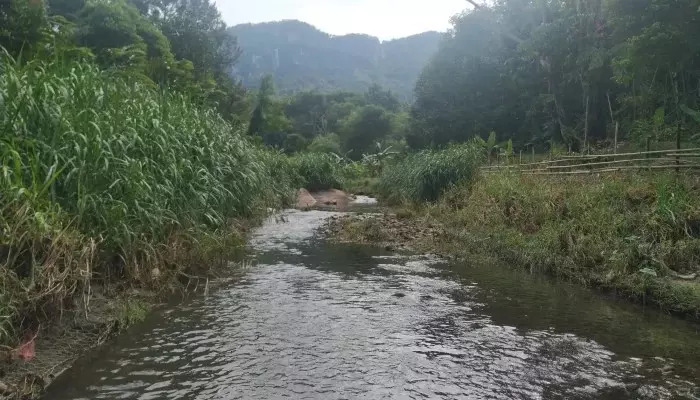
Location: Malaysia (Tiram River, a tributary of the Johor River)
Sponsor: Valerine Lee
Grant: €80,000 (allocated over 3 years) awarded during the Board of Directors meeting on 15/06/2026
Project Leader: Global Environment Centre (GEC)
In the face of pollution and biodiversity loss, protecting waterways requires concerted and sustainable action. The fondation Veolia is supporting a major program in Southeast Asia to rehabilitate a river ecosystem while actively engaging local populations and Group employees.
A recognized expert in environmental preservation in Asia
A non-profit Malaysian environmental NGO, the Global Environment Centre (GEC) is a leading organization within ASEAN, with proven expertise gained through more than 240 projects implemented alongside multiple partners. GEC stands out for its integrated approach that places Nature-based Solutions (NBS) and community empowerment at the very heart of ecological transformation and watershed protection.
A comprehensive ecological approach to clean and enhance
The project addresses severe pollution (high concentrations of ammonia and BOD5) in the Tiram River, a 33.5 km tributary of the Johor River located on the border between Malaysia and Singapore. The grant from the fondation Veolia funds practical actions over a three-year period: tree planting with schools to control bank erosion, developing community gardens equipped with rainwater harvesting systems, and conducting regular river cleanups. The program also includes trail enhancement and the creation of murals to encourage residents to reclaim this natural heritage.
The initiative aims to anchor river management over the long term through a robust environmental education program for residents. This collaborative project draws on strong local synergy: via the Veoliaforce network, employee volunteers from Veolia in Malaysia and Singapore provide technical expertise in river monitoring and actively participate in ecological campaigns. Ultimately, this transmission strategy will empower local communities to manage the preservation of their river completely autonomously.