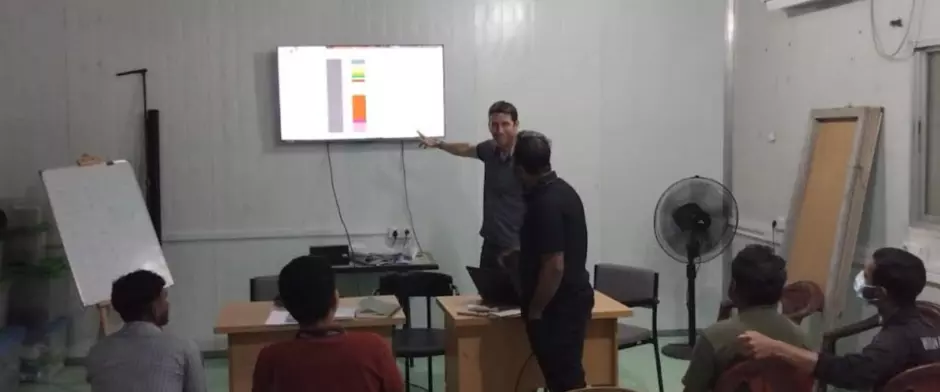
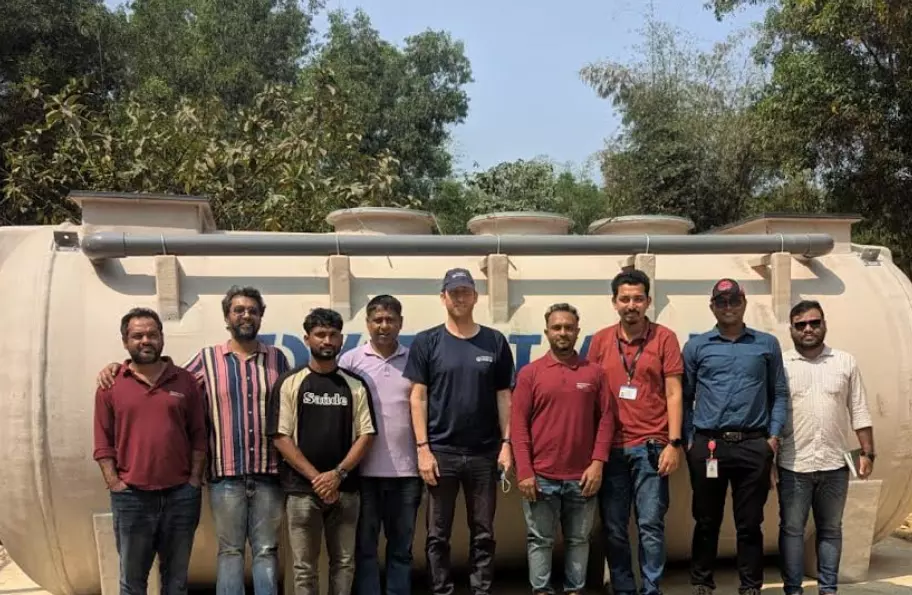
To secure the infrastructure of Doctors Without Borders (MSF) in the Cox’s Bazar camps, Raphaël Laplane, an engineer at Veolia | Water Tech, deployed his expertise in two stages: a strategic technical analysis performed remotely, followed by a field mission. Explanations and testimony.
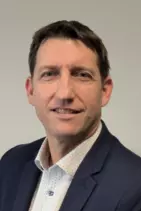
Based in Rennes for six years, engineer Raphaël Laplane was familiar with the Veolia Foundation and its skills-sponsorship program, but he hadn't yet imagined how he might contribute. When he attended the Veoliaforce training in June 2025, he had just transitioned into a new commercial role at Veolia | Water Tech. Though he assumed his availability would be limited in the short term, humanitarian reality caught up with him sooner than expected: just four months later, the Foundation contacted him to support its partner, Doctors Without Borders (MSF).
Remote expertise: Challenging solutions
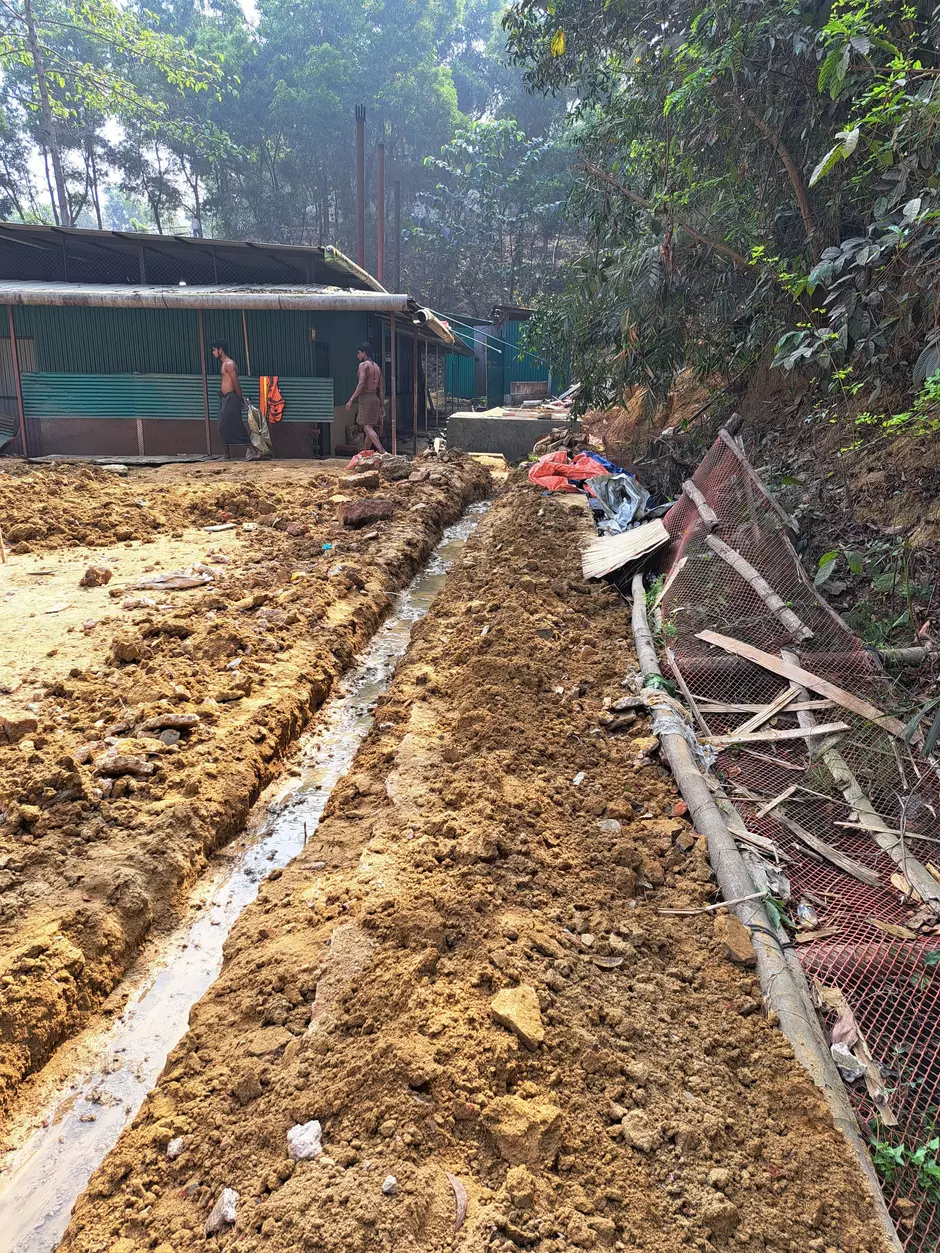
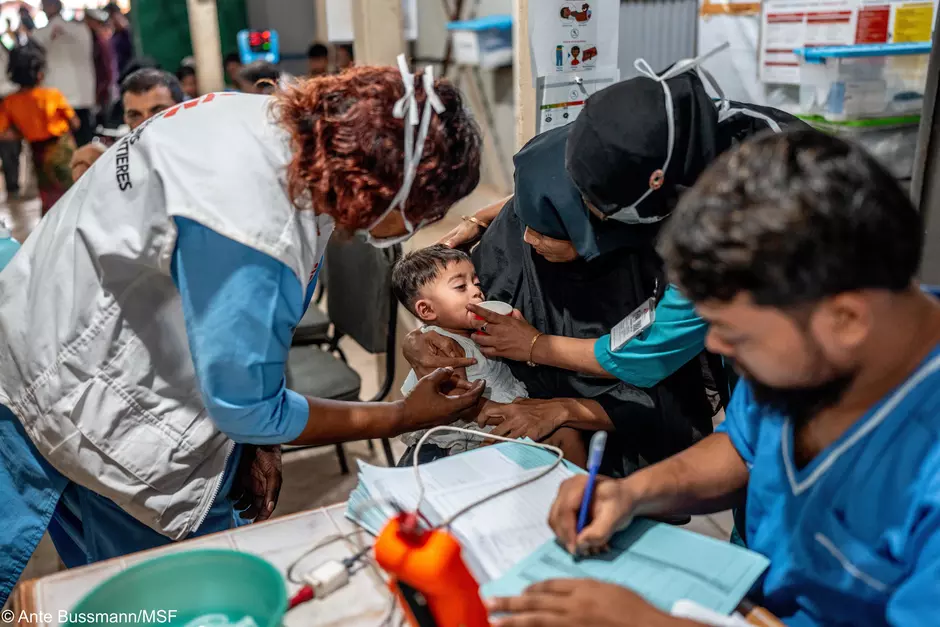
On the other side of the world in Bangladesh, MSF operates two hospitals in refugee camps facing a critical sanitation crisis. During the monsoon season, the existing drainage trench system becomes saturated, leading to overflows that threaten the health and safety of waterways bordering residential areas.
MSF sought to install a permanent treatment system but required an expert eye to validate the technical specifications. Working remotely, Raphaël dove into the project: "My mission was to challenge the subcontractors' proposals and identify the best technical solution." With his management's blessing, he dedicated the necessary time to analyze the data and finalize his recommendations. A month later, the phone rang again: “We’d like you to go to the field to supervise the installation and commissioning.”
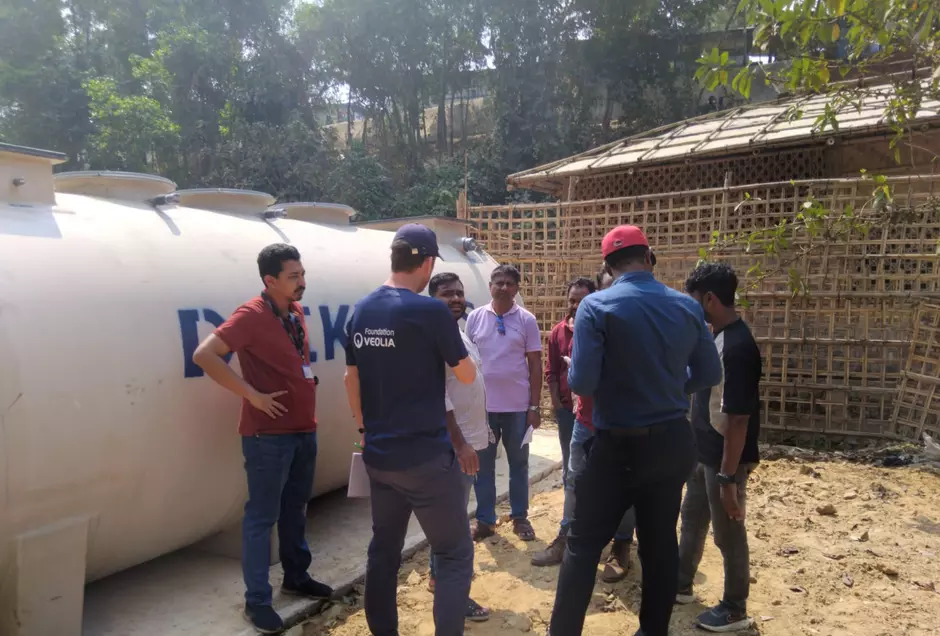
The Reality Check: Navigating the Field
« I had a moment of doubt, Raphaël admits. I was fascinated by the opportunity but torn, as it meant a three-week absence in the middle of a major bidding period. I spoke to my manager, Pascal Pluyaud, who told me: 'Go for it!' I am incredibly grateful for his support. »
Raphaël arrived on-site with high energy, confident that 20 days would be ample time. However, the field imposes its own rhythm. Technically, the "plug and play" device proved more complex than anticipated. Culturally, the mission coincided with Ramadan. Raphaël had to manage the project’s momentum with teams working at a different pace; energizing the site became a daily challenge as the clock ticked down.
Despite the obstacles, perseverance paid off. The system was successfully started the day before his departure, and the MSF teams were fully trained in operation and troubleshooting to ensure long-term autonomy. Raphaël even maximized his time on-site to conduct a full diagnosis of MSF’s second hospital, Goyalmara, sizing a future wastewater treatment system tailored to their specific needs.
Reflecting on the experience as he returned to his professional and family life, Raphaël notes: "Three weeks is a long time, yet it went by in a flash. My only certainty now is that I will go back—whether to Bangladesh or elsewhere."