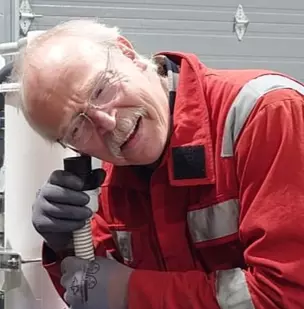
In late December, a downed high-voltage power line paralyzed the community of Cross Lake, Manitoba, Canada. To secure the drinking water supply, the Veolia Foundation deployed its Aquaforce units in -35°C weather: an unprecedented technical challenge.
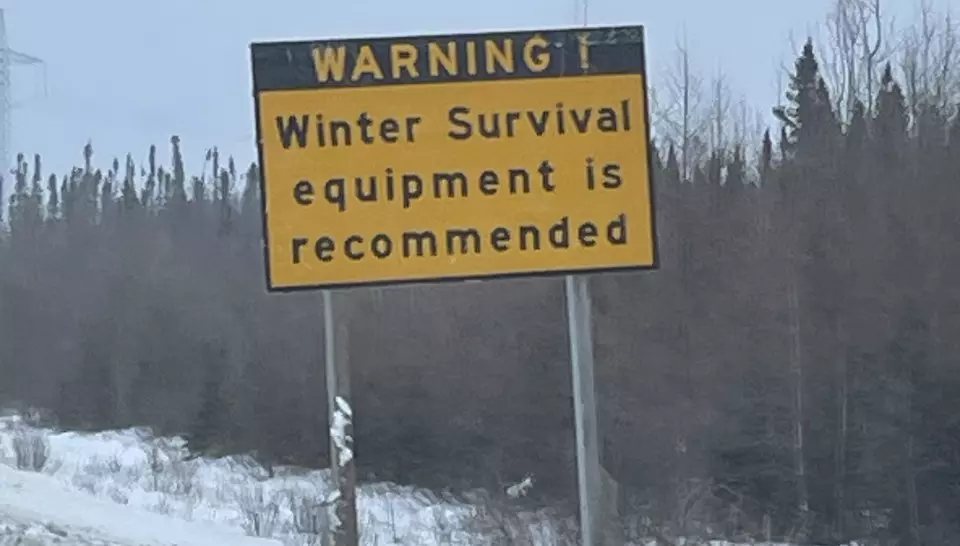
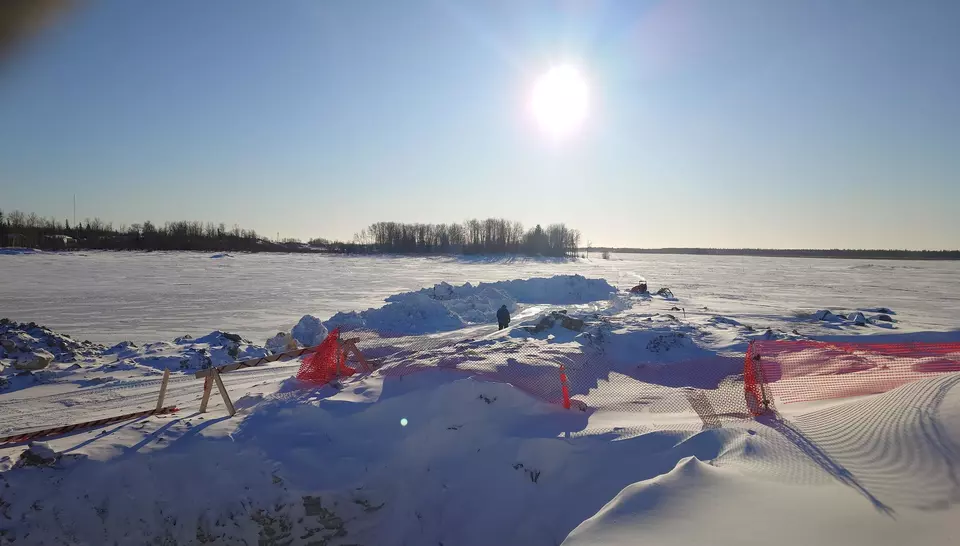
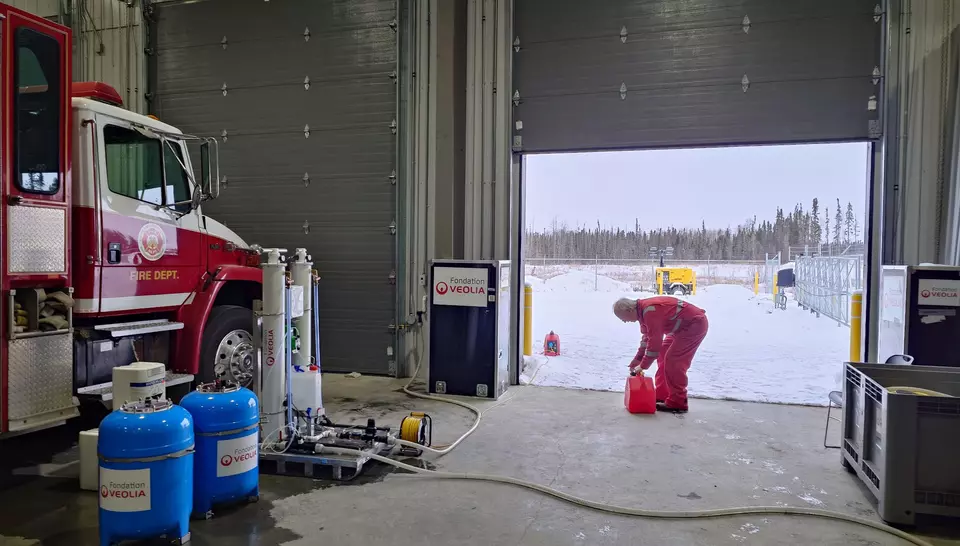
On December 28, 2025, in the Canadian province of Manitoba, a high-voltage line snapped over the Nelson River, 130 km from the nearest urban center. The residents of the First Nations community of Cross Lake were left without electricity for several days as temperatures plummeted to -35°C. Consequently, water distribution networks froze and the treatment plants suffered significant damage.
A critical situation: Producing drinking water at -35°C
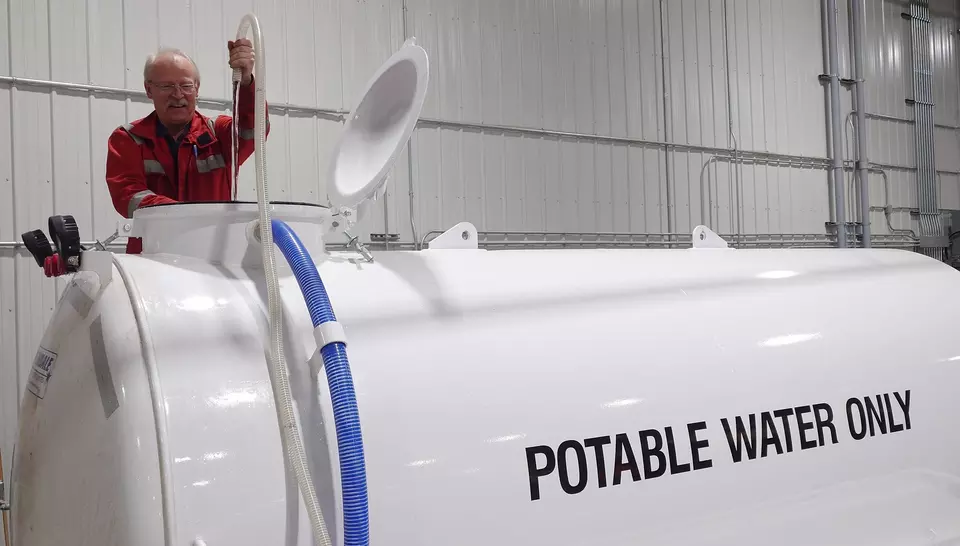
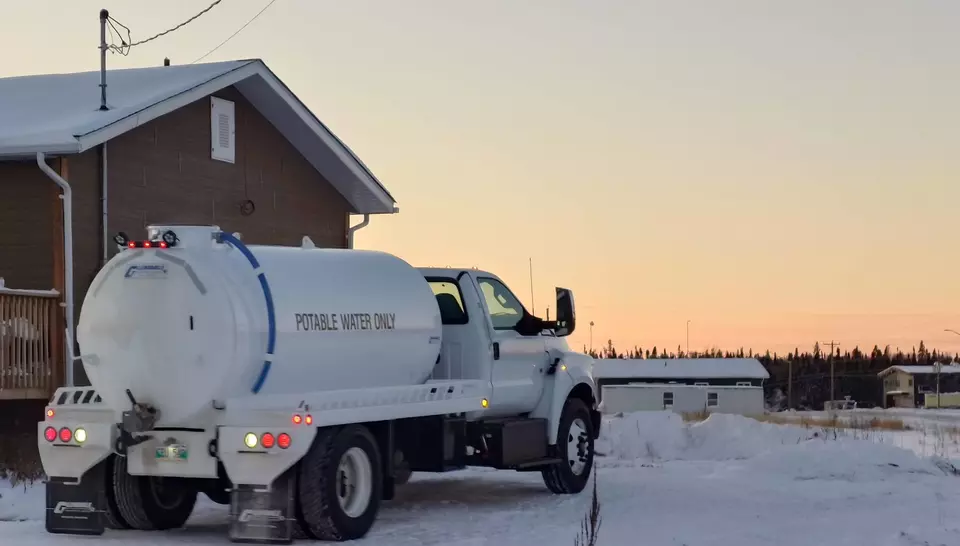
Of the more than 7,000 residents affected by the blackout, over 4,000 were evacuated to the City of Winnipeg and community of Thompson, Manitoba. In response to the emergency, the Canadian Armed Forces and the Canadian Red Cross mobilized. At Cross Lake, water was pumped from the river to feed the station, but it could not be made potable, due to damage sustained to the distribution system. Authorities issued a mandatory boil-water advisory for all consumption.
Media coverage of the events taking place made Veolia’s Winnipeg staff aware of the situation and it was apparent that Veolia Foundation could provide assistance. Michael Lavich, Controls Manager, Winnipeg Sewage Treatment Program (WSTP), was in direct contact with the community’s Chief, who advised that help was needed. He and his colleague Steve Black travelled to the community to meet with the community’s municipal staff and Canadian Forces to perform the situational audit. This triggered the Veolia Foundation and its Veoliaforce experts, specializing in emergency response activities.
Technical and logistical hurdles
The stakes were unprecedented: the Veolia Foundation’s Aquaforce units – mobile water treatment plants – had to be transported and deployed at the height of the Canadian winter. Temperatures were -10°C (14°F) in New Jersey, where the two Aquaforce 2000 units were stored, and had plummeted to between -30°C and -35°C (-22°F to -31°F) in Cross Lake, their deployment site.
"The challenge was both logistical and technical," explained Romain Verchère, Innovation Program Manager at the Veolia Foundation. “We had to anticipate every single point of contact with water, as the slightest residue freezes instantly and can damage the equipment.”
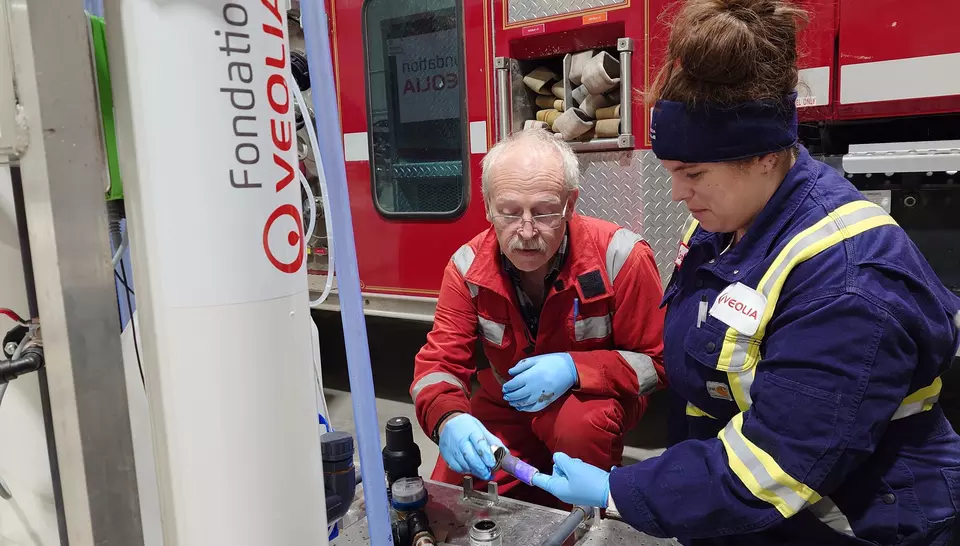
In Haworth, New Jersey, volunteers with Veolia’s Water Technology team were in charge of packaging: they meticulously drained the membranes before preparing them for transport. Meanwhile, in Winnipeg, heated transportation of the equipment to Cross Lake was arranged and the activated carbon needed for the units was sourced to align with the arrival of the Veoliaforce members to Cross Lake.
On the ground, Canadian-based experts Daryn Watson and Caroline Streib, trained in Veoliaforce operations in October, joined Romain Verchère to lead the deployment alongside local operators.
Initial attempts at water treatment also met technical obstacles. The chlorine added at the end of the treatment process failed to act as a disinfectant, as the water’s pH levels were too high upon exiting the activated carbon filter. "The cold played spoilsport, significantly slowing down the chemical effects of the filter rinsing process," noted Romain Verchère.
The power of the Veoliaforce network
To address this challenge, using shared Veolia Google Spaces, a message was sent to Veolia's North American teams. The feedback was immediate, addressing questions on longer rinsing cycles or the use of acidic liquids to compensate for the pH. Shortly thereafter, production was successfully launched, and the local First Nations plant operators were trained to run the Aquaforce units.
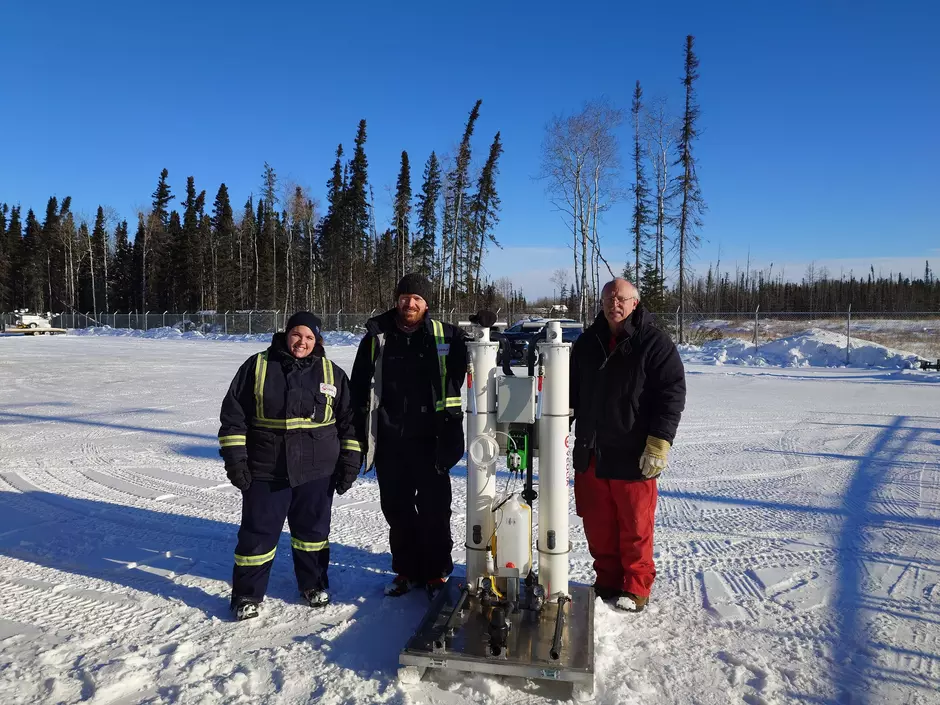
« Relying on such a network of Veolia experts, available across all time zones to help in an emergency, is the beating heart of the Veoliaforce network. »
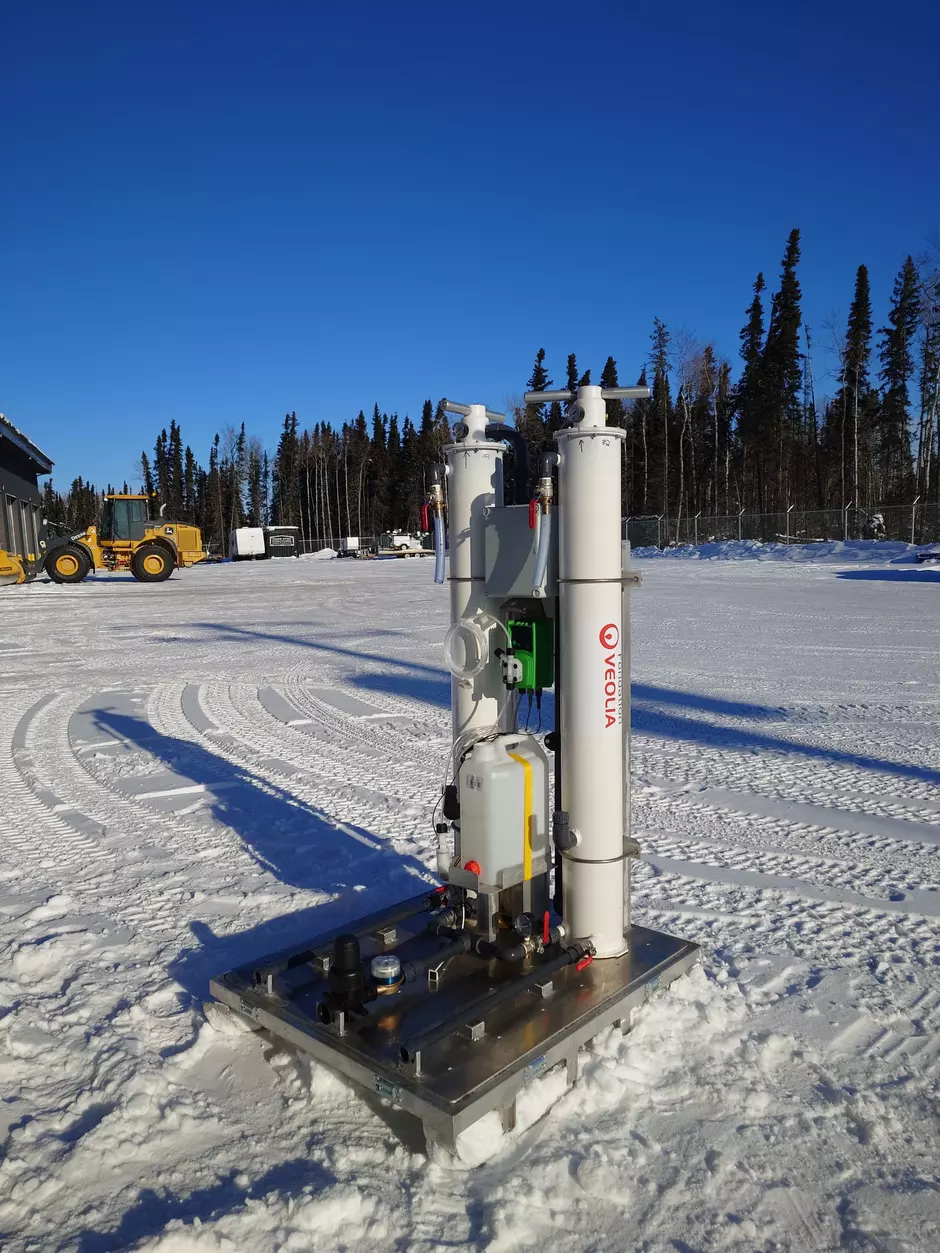
Mobile water treatment unit, the Aquaforce 2,000 provides 20 litres of drinking water per person per day to a population of 2,000 people.
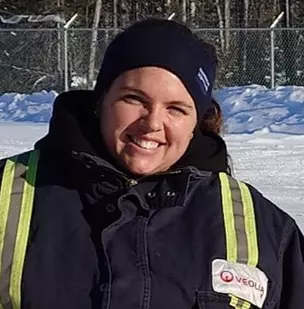
« The Cross Lake community welcomed us with very open arms and warm regards, ensuring we were well taken care of so we could take care of them. I did not know much about what I was getting into when I've been contacted, but I know I needed to raise my hand to volunteer. Having finished my first mission, I'm forever thankful for my division manager supporting my interest in the Veolia Foundation to share and help outside of our Chatham business unit.»